• Need any help? Call Us: (210) 123-451
  • 380 St Kilda Road, Australia
  • Sat - Thursday (9am - 10 pm)

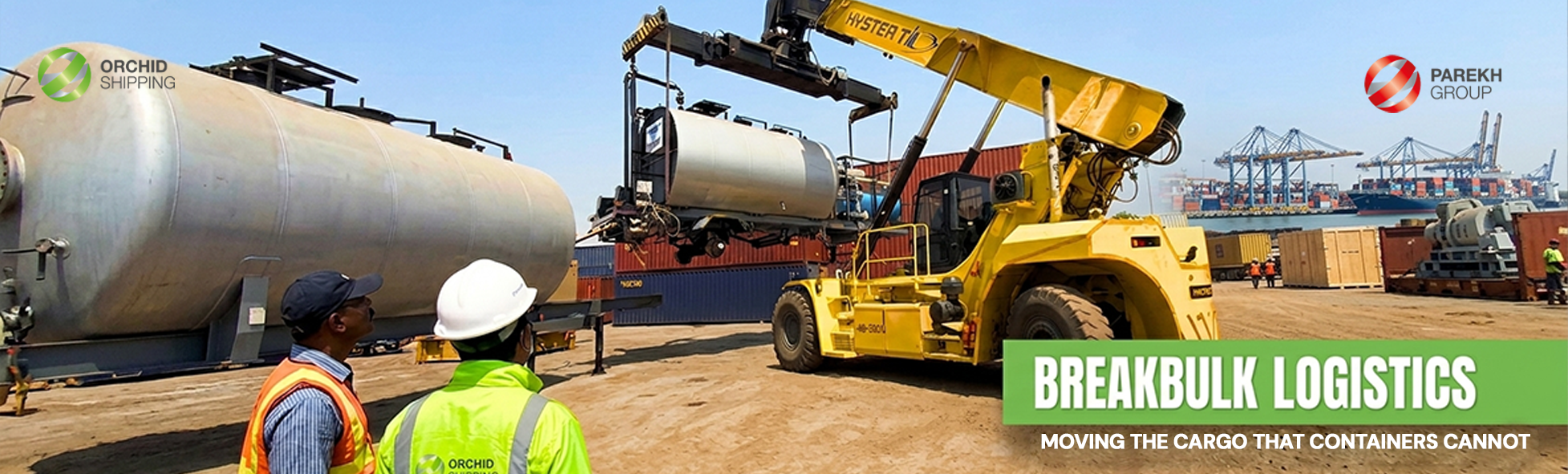
Breakbulk Logistics

 Container shipping has become the standard method for transporting goods. Containers have simplified logistics by creating a uniform system for handling cargo across ships,trucks, and rail networks. Yet, despite this efficiency, there are many types of cargo that simply cannot fit into a container.
Massive turbines, steel structures, industrial machinery, and large construction equipment are just a few examples. These oversized and heavy shipments require a different approach— breakbulk logistics.
Breakbulk shipping plays a vital role in global supply chains by enabling the movement of cargo that is too large, too heavy, or too complex for containerized transport. From infrastructure projects to energy installations, this specialized logistics segment ensures that critical equipment reaches its destination safely and efficiently. 
What is Breakbulk Cargo?
Breakbulk cargo refers to goods that are transported as individual units instead of being packed into containers. Each piece of cargo is handled separately and loaded directly onto a vessel, truck, or rail wagon.
These shipments may be packaged in crates, drums, pallets, or bundles. In some cases, the cargo is transported as a single large unit because it cannot be dismantled or containerized.
This method of transportation requires careful handling, specialized equipment, and detailed planning. Every shipment is unique, which means logistics professionals must evaluate the cargo size, weight, and handling requirements before planning the transport process.
image
Types of Cargo Typically Shipped as Breakbulk:
Breakbulk logistics is commonly used in industries where cargo dimensions exceed standard container limits. Some common examples include:
• Heavy industrial machinery
• Structural steel and large beams
• Pipes, boilers, and tanks
• Construction equipment
• Wind turbine blades and tower sections
• Large generators and transformers
These shipments are often connected to large infrastructure projects such as power plants, oil refineries, bridges, and manufacturing facilities.
How Breakbulk Logistics Works
Transporting breakbulk cargo is far more complex than standard container shipping. Each shipment requires a customized logistics strategy.
1. Cargo Assessment and Planning: The process begins with a detailed evaluation of the cargo. Logistics specialists analyze the dimensions, weight distribution, lifting points, and transportation requirements. This stage is critical for ensuring safe handling and efficient movement.
2. Packaging and Protection: Because breakbulk cargo is not protected by containers, it often requires special packaging. Wooden crates, steel frames, protective coverings, and weather-resistant wrapping are commonly used to safeguard the cargo during transit.
3. Port Handling and Loading: Once the cargo reaches the port, cranes and heavy lifting equipment are used to load it onto the vessel. Unlike container operations where units are stacked quickly, breakbulk cargo is loaded piece by piece with precise positioning.
4. Securing the Cargo: Proper securing is one of the most important aspects of breakbulk shipping. Cargo must be firmly lashed using chains, straps, and supports to prevent movement during the voyage.
5. Delivery to Final Destination: After arriving at the destination port, the cargo is unloaded and transported to the project site using specialized trucks or heavy-haul transport equipment.

6. Why Breakbulk Logistics Remains Important:
Even though containerization dominates international shipping, breakbulk logistics continues to play an essential role in global trade.
7. Supports Major Infrastructure Project: Large industrial and infrastructure developments rely on breakbulk shipping to transport heavy equipment that cannot be containerized.
8. Handles Oversized and Heavy Cargo: Many industrial components are
manufactured as single units and cannot be disassembled for shipping.
Challenges in Breakbulk ShippingHandling breakbulk cargo requires expertise and careful coordination. Some common challenges include:• Managing extremely heavy or oversized cargo
• Coordinating specialized lifting equipment
• Ensuring proper stowage and securing during transit
• Conducting route surveys for oversized transportation
• Maintaining cargo safety throughout the logistics chainBecause of these complexities, breakbulk shipments must be handled by experienced logistics professionals who understand both operational and technical requirements.
Orchid Shipping Pvt. Ltd. – Expertise in Breakbulk Cargo Handling Breakbulk logistics requires precision, experience, and a strong operational network. Orchid Shipping Pvt. Ltd. has built a reputation for efficiently managing complex breakbulk and project cargo movements across international trade routes. With a dedicated team and deep industry knowledge, the company provides comprehensive solutions for transporting oversized and heavy cargo. From detailed shipment planning and coordination to port handling and final delivery, Orchid Shipping ensures that every stage of the logistics process is managed with professionalism and care. Their expertise in breakbulk cargo handling enables clients to move critical equipment and project cargo safely, supporting industries that depend on reliable and efficient logistics
solutions.
People Also Ask
What is breakbulk shipping?
Breakbulk shipping refers to transporting cargo that cannot be loaded into standard containers. The goods are shipped individually, such as machinery, steel, or large equipment.
What type of cargo is shipped as a breakbulk?
Cargoes like heavy machinery, construction equipment, pipes, steel structures, and large industrial components are commonly shipped as breakbulk.
How is breakbulk different from container shipping?
In container shipping, cargo is packed inside containers. In breakbulk, cargo is loaded piece by piece directly onto the vessel, making it suitable for oversized items.

What is the difference between breakbulk and bulk cargo?
Breakbulk cargo is transported as individual units, while bulk cargo (like grains or liquids) is shipped loose without packaging.

What industries use breakbulk logistics?
Industries like construction, oil & gas, power, and manufacturing frequently use breakbulk shipping for large equipment.

Leave A Comment