- Need any help? Call Us: (210) 123-451
- 380 St Kilda Road, Australia
- Sat - Thursday (9am - 10 pm)



Types of Containers
What Are Shipping Containers?Shipping containers are standardized steel units used to transport cargo across sea, road, and rail. They are designed for durability, easy handling, and secure storage during transit.Most containers come in standard sizes such as:
20-foot container (20FT)40-foot container (40FT)
Each type serves a different purpose depending on the nature of the cargo being transported.
Common Types of Shipping Containers
2.Refrigerated Containers (Reefers): Reefer containers are used when cargo needs temperature control during transit. They are equipped with cooling systems that maintain a consistent temperature throughout the journey. They are commonly used for transporting food products, pharmaceuticals, and other perishable goods where maintaining quality is critical.
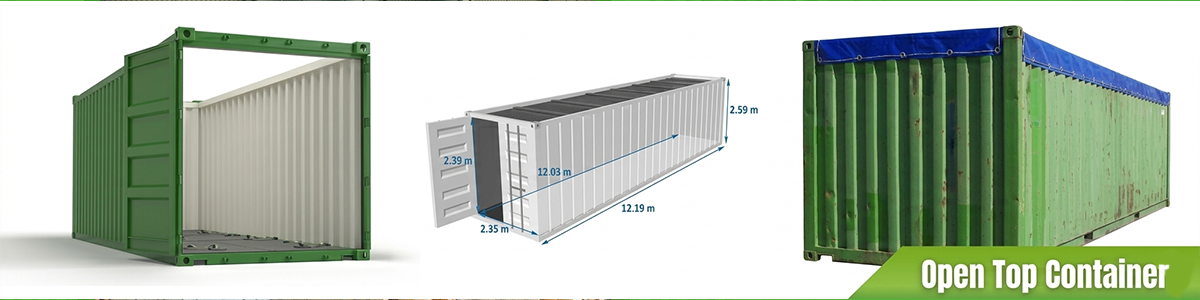
1.Open Top Containers: Open top containers are designed for cargo that cannot be loaded through standard container doors. Instead of a solid roof, they have a removable top, allowing goods to be loaded using cranes. This makes them suitable for heavy machinery or cargo with unusual heights.
2. Flat Rack Containers: Flat rack containers are used for oversized or heavy cargo that does not fit within standard container dimensions. They have no side walls, making it easier to load large items. These containers are commonly used for transporting construction equipment, vehicles, and industrial machinery.
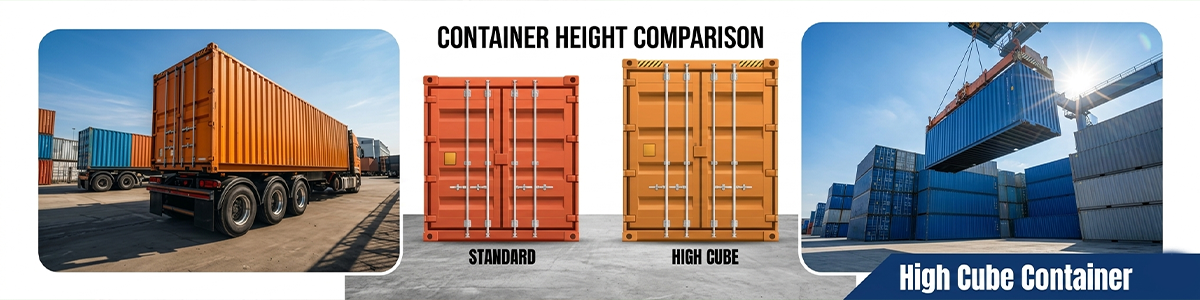
1. High Cube Containers: High cube containers are similar to standard containers but offer extra height. This additional space is useful for cargo that is bulky but not necessarily heavy. They are often chosen for shipments that require more volume without increasing the number of containers.
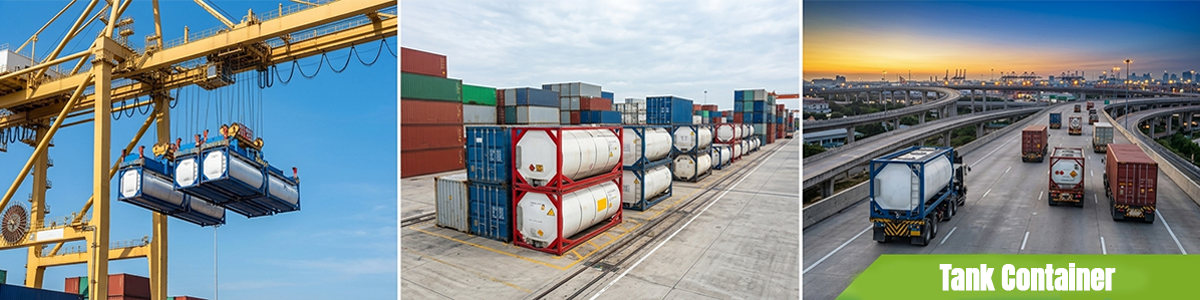
2. Tank Containers: Tank containers are specifically designed for transporting liquids, gases, and chemicals. They consist of a cylindrical tank mounted within a steel frame. They are widely used in industries that deal with bulk liquids, including chemicals and food-grade products.
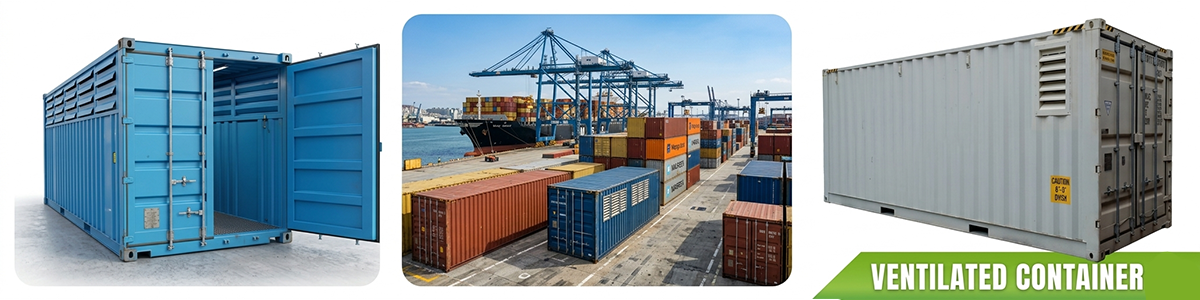
3. Ventilated Containers: Ventilated containers allow air circulation inside the unit, which helps prevent moisture buildup. This is important for certain types of agricultural cargo. Products like coffee beans and cocoa often require this type of container to maintain quality during transit.
How to Choose the Right Container
Choosing the right container is not just about availability—it depends on understanding your cargo requirements.
You should consider:
- Nature of the cargo (dry, liquid, perishable, oversized)
- Weight and volume
- Handling and loading requirements
- Environmental sensitivity (temperature or ventilation)
Making the right choice ensures your cargo reaches its destination safely while keeping logistics costs under control.
Get Expert Support for Your Containerized Shipments
Selecting the correct container can make a significant difference in the success of your shipment. With so many options available, having the right guidance helps avoid costly mistakes and delays.
Orchid Shipping Pvt. Ltd. provides reliable container solutions tailored to different cargo needs. With strong industry experience and a practical approach, the team ensures smooth planning, efficient handling, and timely delivery.
Not sure which container is right for your cargo?
Click here to connect with our experts today.
People Also Ask
Which container is best for general cargo?
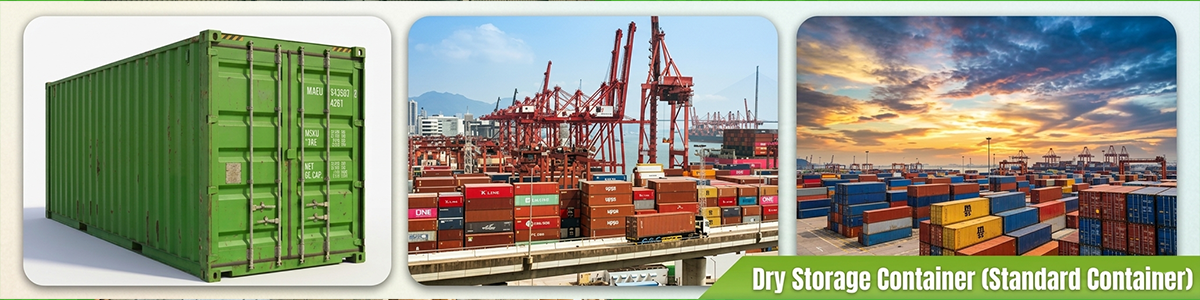
Standard dry containers are the best choice for general cargo such as boxes, pallets, textiles, and machinery that do not require temperature control or special handling.
What type of container is used for oversized cargo?
Flat rack and open top containers are typically used for oversized or heavy cargo. These containers allow easier loading of goods that cannot fit into standard containers.
What is the difference between a standard container and a high cube container?
The main difference is height. High cube containers offer extra vertical space compared to standard containers, making them suitable for bulky or voluminous cargo.
What is a tank container used for?
Tank containers are used for transporting liquids, chemicals, and gases in bulk. They are specially designed to ensure safe and efficient movement of liquid cargo.
What are the vertical measurements of shipping containers?
Most standard containers are about 8 feet 6 inches tall. If your cargo needs extra height, you can opt for a high cube container, which is around 9 feet 6 inches.
How to book the right container for your cargo?
Choosing the right container depends on your cargo type, size, and handling needs. At Orchid Shipping Pvt. Ltd., our team helps you select the best option and handles the entire booking process smoothly.

